Beijing Hosts Grand Exhibition of Ancient Civilizations
Beijing's Capital Museum hosts a major exhibition featuring 800 relics from ancient Maya and Andean civilizations, highlighting cultural connections and shared spiritual traits through curated narratives and artifacts.
Par Shi Fang, People Daily
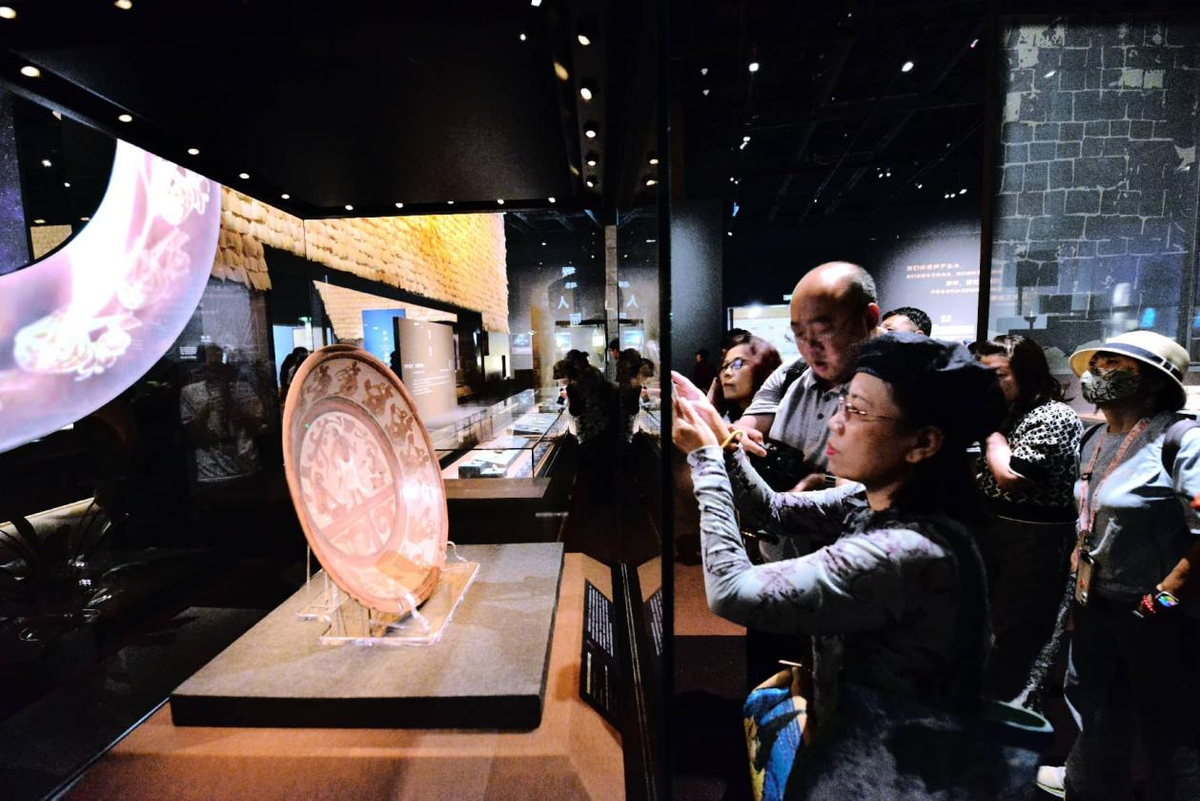
As part of the "World Civilizations Exchange and Mutual Learning" series, the "Maize, Gold and Jaguar -- A Grand Exhibition of Ancient Maya and Andean Civilizations" began on May 18 at Beijing's Capital Museum. Spanning nearly 10,000 square meters, the exhibition features approximately 800 cultural relics that chronicle over 3,000 years of ancient history.
"Museums act as translators of civilizations," said Tan Xiaoling, deputy director of the Capital Museum. "While a single cultural relic may appear merely exotic, placing it within its original context through curated narratives reveals the depth and sophistication of an entire civilization."
This landmark exhibition, the largest since the museum's founding, is divided into three sections: "The Maya World," "Treasures of the King," and "Spirits of Nature." Featuring representative artifacts from more than 20 museums and cultural institutions in Peru and Mexico, the exhibition narrates the rise and development of two major ancient civilizations from Mesoamerica and the Andes region of South America.
"Maize, gold, and jaguar respectively symbolize the productive foundation, spiritual world, and power structure of the Maya and Andean civilizations," explained Shao Xinxin, associate research curator in the museum's exhibition department and curator of the exhibition. "Combined, the three elements paint a full portrait of these ancient cultures."
In "The Maya World" section, about 90 percent of the exhibits are being shown in Beijing for the first time. Most relics feature maize and jaguar themes. As Shao noted, these two iconic motifs are widely adopted in clay, pottery, and stone sculptures.
The "Treasures of the King" section highlights archaeological discoveries from the Royal Tombs of Sipan in Peru, often referred to as "the Tutankhamun tomb of the Americas" and considered one of South America's most important archaeological finds of the 20th century.
Roughly 80 percent of the artifacts, including the copper scepter of the Lord of Sipan, are being displayed in China for the first time, with about half leaving Peru for the first time ever.
The "Spirits of Nature" section features artifacts such as a ceramic figure wearing jaguar-patterned clothing, monkey-shaped seals, and bird-patterned pottery bowls. All exhibits in this section are new to China, illustrating ancient American nature worship.
Two extensive timelines running through the exhibition hall compare the historical development of Maya, Andean, and Chinese civilizations, highlighting points of connection. Artifacts like a Ming Dynasty (1368-1644) five-tael silver ingot and a silver bowl from Beijing's Palace Museum bearing the mark of Cining Palace provide tangible evidence of silver flowing into China via maritime trade during the Andean civilization period.
The exhibition also draws parallels in mythology, noting the Maya legend of rabbits accompanying the moon goddess Ixchel, which bears a striking resemblance to the Chinese tale of the Jade Rabbit and Chang'e. "Using animal figures to interpret and respect nature is a common spiritual trait shared by civilizations worldwide," Shao observed.
The exhibition aims to be more than a one-time event; it marks the beginning of an ongoing dialogue. Alongside the exhibition, the Capital Museum has organized supporting activities covering academic exchanges, public education programs, and cultural creative initiatives. This follows the museum's successful exhibition of traditional Beijing Spring Festival folk customs in Moscow earlier in 2026.
"This November, we will continue to launch new exhibitions under the 'World Civilizations Exchange and Mutual Learning' series," Tan said.
Moving ahead, the Capital Museum plans to integrate international exhibitions with overseas cultural outreach, solidifying its role as a vital platform for global cultural exchange and mutual learning.