Inkomoko Enters the Top 5 Fastest-Growing Organizations in Africa According to the Financial Times
This international recognition highlights Inkomoko’s sustained growth as well as the economic impact of investing in entrepreneurship within displacement-affected communities.
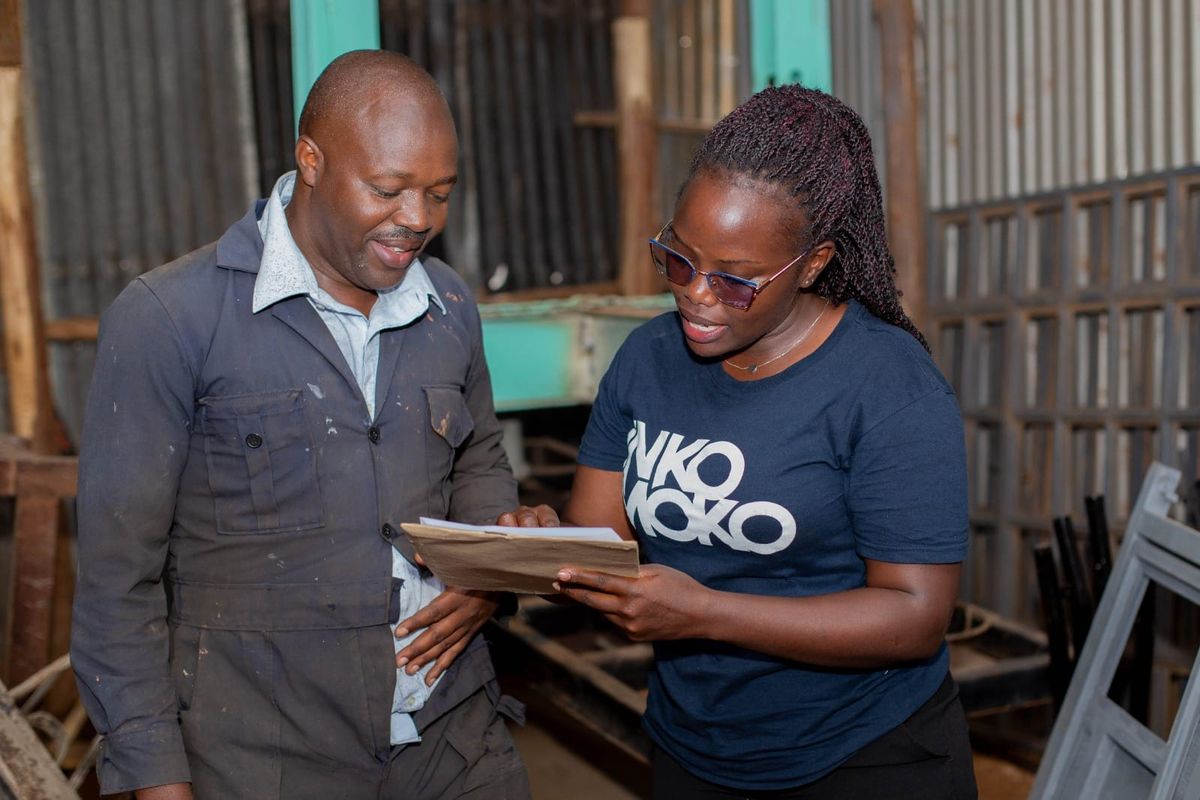
Inkomoko has been ranked the 5th fastest-growing organization in Africa by the Financial Times, improving from the 8th position achieved the previous year. This marks the second consecutive year that Inkomoko has appeared in this prestigious ranking, confirming both the strength of its growth trajectory and the relevance of its economic inclusion model in displacement-affected markets.
This recognition reflects Inkomoko’s ability to build resilient entrepreneurial ecosystems in fragile contexts by facilitating entrepreneurs’ access to financing, markets, capacity building, and sustainable growth opportunities.
In Chad, this distinction highlights the economic potential of displaced and host communities, as well as the central role of inclusive entrepreneurship in job creation, strengthening local economic resilience, and stimulating growth in historically underinvested regions.
Since launching its operations in Chad in 2025, Inkomoko has supported more than 600 entrepreneurs in the localities of Farchana and Gaga, in the Ouaddaï province in eastern Chad. Through an integrated model combining affordable financing, entrepreneurial support, and market access facilitation, the organization supports forcibly displaced entrepreneurs, women, youth, and local small and medium-sized business owners who actively contribute to the economic development of their communities.
“This international recognition sends a strong signal for Chad and for all displacement-affected communities,” said David Karuranga, Managing Director of Inkomoko Chad.
“It demonstrates that regions affected by forced displacement should not be viewed solely through the lens of humanitarian aid, but also as spaces for innovation, entrepreneurship, and economic value creation. With the right support, entrepreneurs can build resilient businesses, create jobs, and contribute significantly to national economic growth.”
Founded in 2012, Inkomoko is now a regional organization operating in Rwanda, Kenya, Ethiopia, South Sudan, and Chad. To date, the organization has invested more than $37.5 million, supported over 120,000 entrepreneurs, and generated a positive impact on more than 1.2 million people across East and Central Africa.
The Financial Times ranking evaluates African private companies that recorded the highest compound annual growth rates between 2021 and 2024.
Inkomoko’s progress in this ranking highlights the strategic role of the private sector in accelerating economic inclusion, particularly within communities facing limited access to investment, economic infrastructure, and formal markets.
As forced displacement continues to affect millions of people across the continent, Inkomoko’s experience demonstrates that economic inclusion is a high-impact sustainable development strategy. By investing in entrepreneurs in displacement-affected markets, the organization contributes to the dynamism of local economies, job creation, and the strengthening of socio-economic stability.
As part of its long-term growth strategy, Inkomoko plans to invest $150 million by 2030 to support 550,000 entrepreneurs in displacement-affected communities across Africa. The organization will continue expanding its operations into new markets while strengthening its impact measurement mechanisms, with a particular focus on sustainable business growth, job creation, and local economic development.
“Inkomoko’s growth is fundamentally linked to the success of the entrepreneurs we support,” added David Karuranga.
“This recognition reinforces our commitment to working alongside governments, investors, development partners, and communities to build more inclusive markets and create an enabling environment for the economic prosperity of displacement-affected entrepreneurs.”